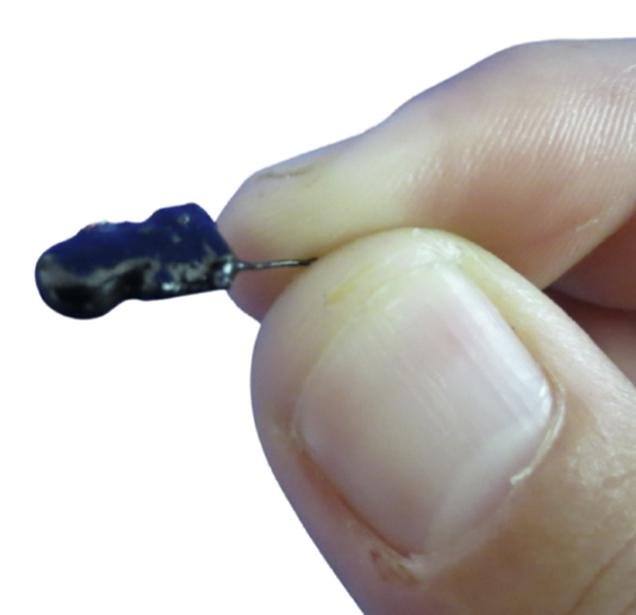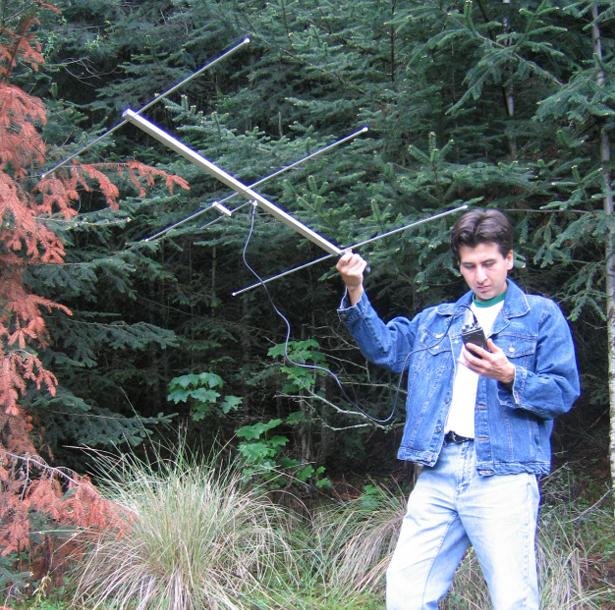
Birds from 14 to 2300 grams
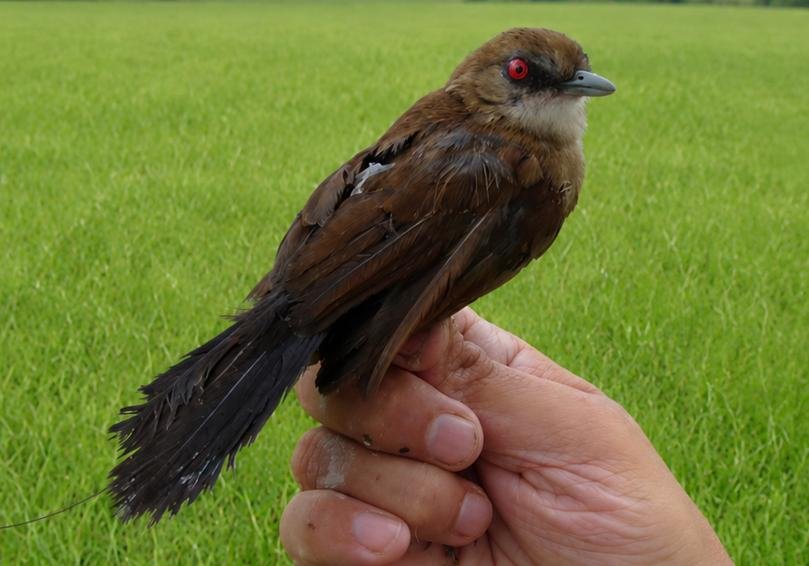
Passerine fitted with a Glued VHF unit
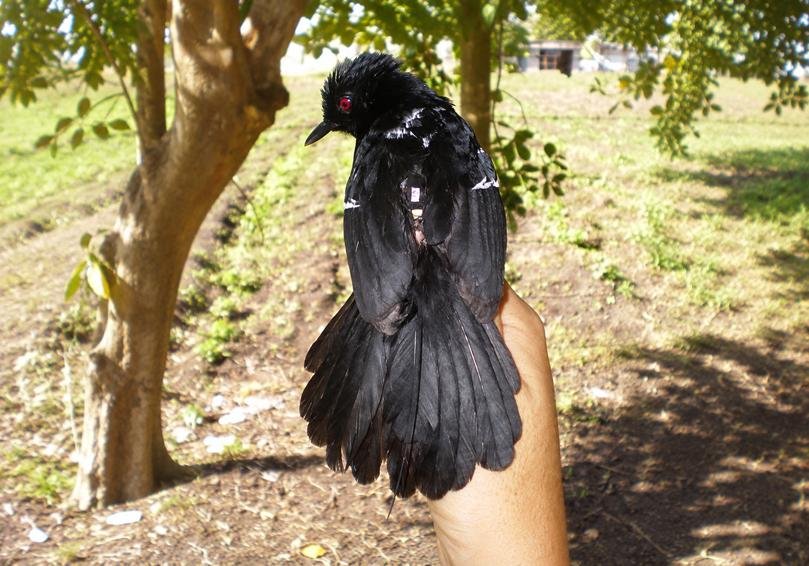
Passerine fitted with a small Backpack VHF unit
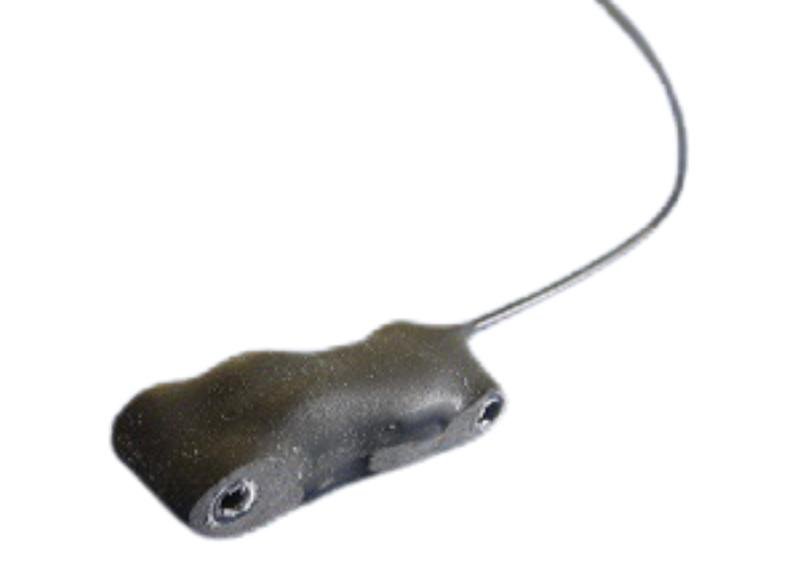
Small backpack VHF radio-tracking unit
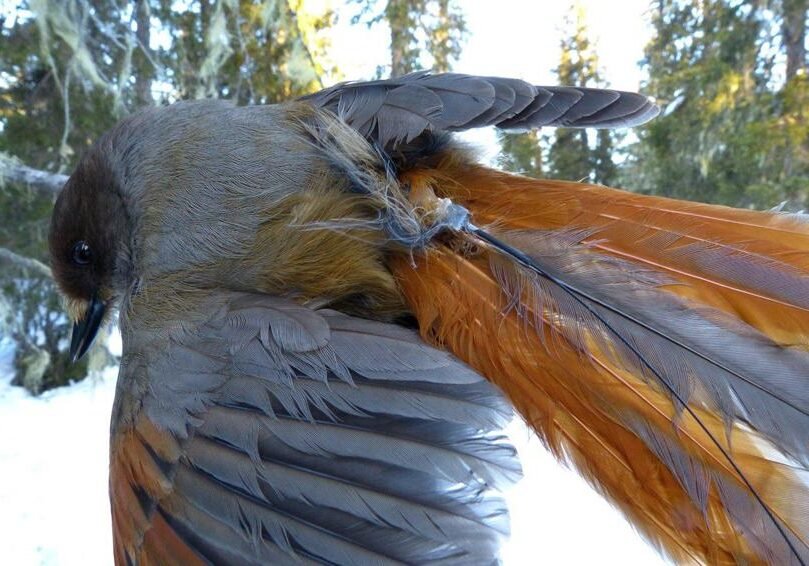
Jay fitted with a Tailmount VHF unit
Typical species:
From small passerines like the Cyanistes caeruleus (14g), through medium-sized birds like the Columba livia (350g) and the Falco peregrinus (1,000g), up to heavier avians like the Bubo virginianus (2,300g).
Attachment:
For the smallest birds, glue-on transmitters are often the most practical attachment method because they allow extremely lightweight configurations and avoid additional weight. The retention period depend mostly on the species, adhesive used and environmental factors such as humidity and temperature. In practice, glue-on units may remain attached for anywhere from a few days to approximately three months.
For somewhat larger birds, backpack-style harnesses or tail-mounted transmitters are generally preferred when a longer or more secure deployment is required.
Tracking options:
VHF radio-tracking
TX – VHF Radio Tracking
The most lightweight and highly energy-efficient and proven technology for locating animals directly in the field.
Transmitters (TX) emit pulsed electromagnetic signals at user-defined specific frequencies, alternating with silent intervals. Researchers detect these signals using a handheld receiver and a directional antenna to find the signal’s direction. Drawing lines from two different points toward the signal creates an intersection that pinpoints the transmitter’s location.
Main advantages:
- Activity, inactivity and mortality sensing may be available
- Very low power consumption
- Very small and lightweight
- Long operating life
- No extra service costs
- Direct field location at any time
- VHF localization is often included as a supporting feature in GPS-based tracking systems
Important considerations:
- Researchers must actively search for the signal whenever a location or status check is required
- Practical detection range depends strongly on terrain, vegetation, antenna, animal behavior and transmitter configuration
- VHF provides directional location information rather than automatically recorded GPS positions
- VHF Receiver and VHF Directional antenna are required
Best for:
- Survival, dispersal and presence-monitoring studies
- Cost-sensitive projects
- Species that do not move too far (from hundreds of meters to a few kilometers)
- Small species that cannot carry heavier GPS-based equipment
- When researchers can easily conduct field searches
- When low weight, long operating life is a priority
- Detect presence in the area at any desired moment