Seed dispersal
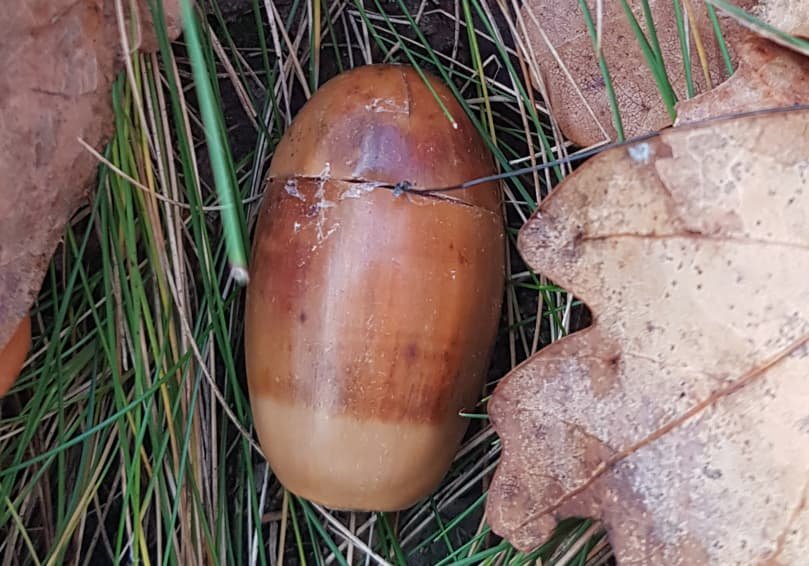
Seed fitted with a VHF Radio-Transmitter
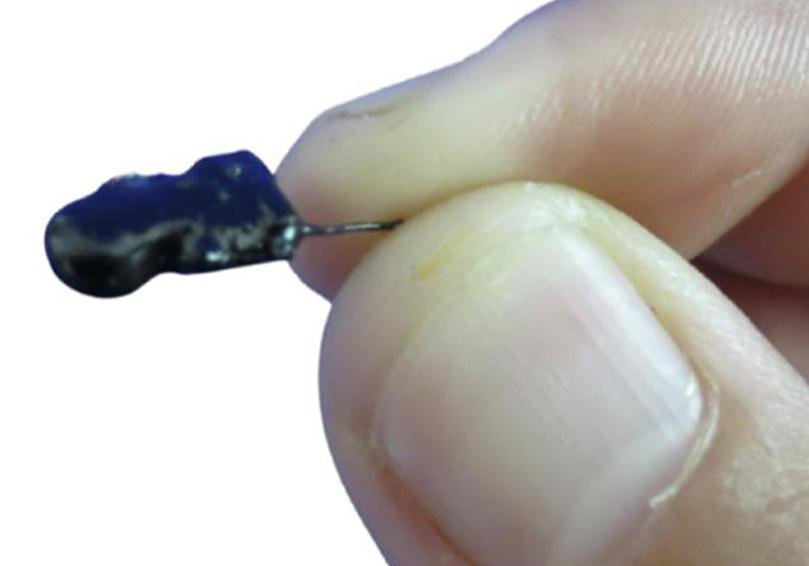
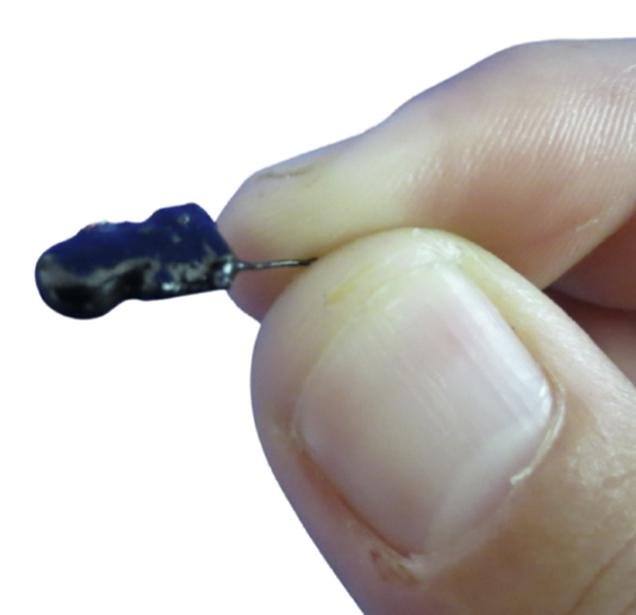
Small VHF Radio-Transmitter
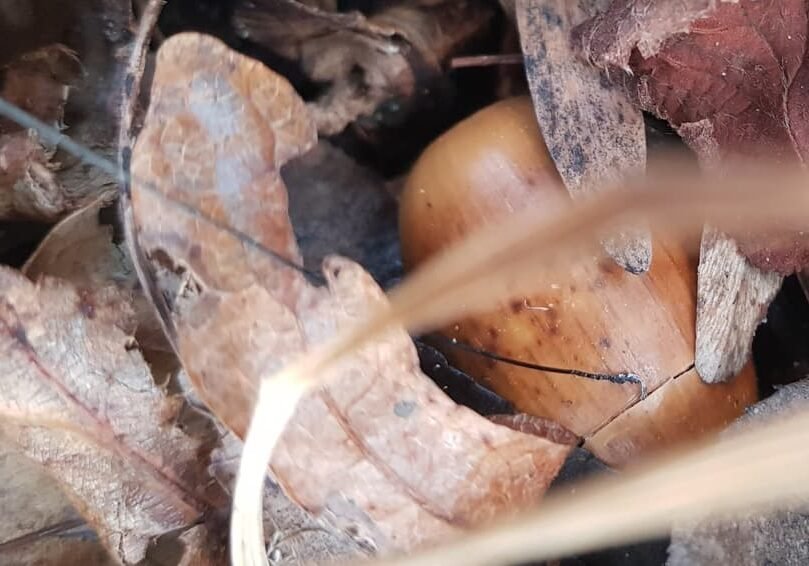
Seed fitted with a VHF Radio-Transmitter
Operation and Configuration:
Seeds can be transported, cached, consumed or moved repeatedly by animals, sometimes over considerable distances. Telenax can provide miniature VHF transmitters designed for integration into suitable seeds, allowing researchers to relocate individual seeds and study their dispersal distance, final destination, caching behavior and post-dispersal fate.
The transmitter is typically inserted into or securely integrated with the seed so that the complete assembly preserves the seed’s natural size, shape and handling characteristics as closely as possible. This is important because excessive changes in weight, balance or external appearance could influence how the dispersing animal carries, stores or consumes it.
Using VHF radio tracking, researchers can follow the signal after a seed has been removed and determine whether it was cached, consumed, transported again or deposited in an unusual microhabitat. This approach may support studies of seed dispersal, cache-site selection, plant–animal interactions, habitat use and the contribution of animal behavior to plant recruitment.
Miniature VHF radio tracking is generally the most practical technology for this application because it can be made extremely small, consumes very little energy and allows each tagged seed to be located directly in the field without relying on mobile-phone or satellite coverage.
Final feasibility depends on the seed species, dimensions and weight, the animal expected to disperse it, required operating life, desired detection range and the method used to integrate the transmitter.
TX – VHF Radio Tracking
The most lightweight and highly energy-efficient and proven technology for locating animals directly in the field.
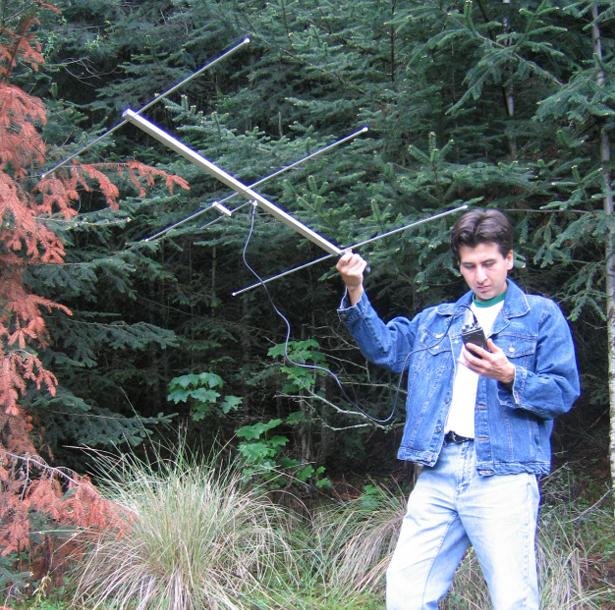
Transmitters (TX) emit pulsed electromagnetic signals at user-defined specific frequencies, alternating with silent intervals. Researchers detect these signals using a handheld receiver and a directional antenna to find the signal’s direction. Drawing lines from two different points toward the signal creates an intersection that pinpoints the transmitter’s location.
Main advantages:
- Activity, inactivity and mortality sensing may be available
- Very low power consumption
- Very small and lightweight
- Long operating life
- No extra service costs
- Direct field location at any time
- VHF localization is often included as a supporting feature in GPS-based tracking systems
Important considerations:
- Researchers must actively search for the signal whenever a location or status check is required
- Practical detection range depends strongly on terrain, vegetation, antenna, animal behavior and transmitter configuration
- VHF provides directional location information rather than automatically recorded GPS positions
- VHF Receiver and VHF Directional antenna are required
Best for:
- Survival, dispersal and presence-monitoring studies
- Cost-sensitive projects
- Species that do not move too far (from hundreds of meters to a few kilometers)
- Small species that cannot carry heavier GPS-based equipment
- When researchers can easily conduct field searches
- When low weight, long operating life is a priority
- Detect presence in the area at any desired moment