Falconry
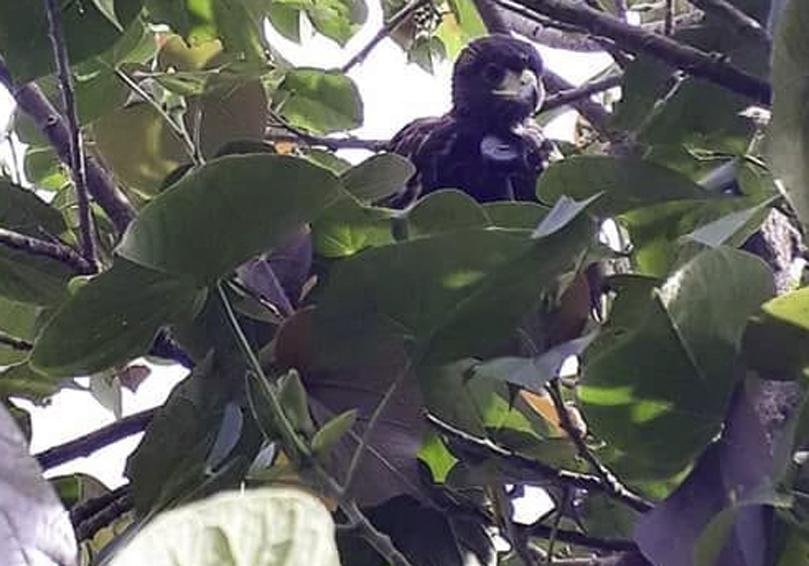
Hawk fitted with a VHF chest unit
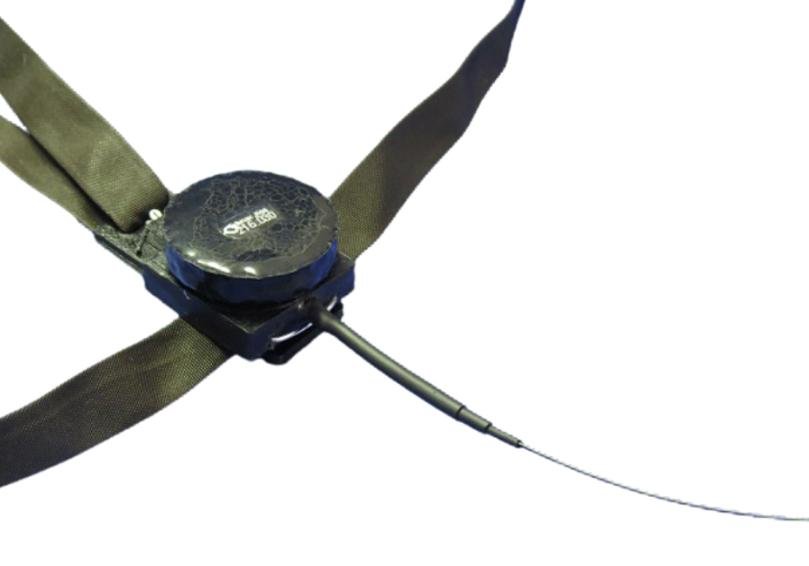
Passerine fitted with a small Backpack VHF unit
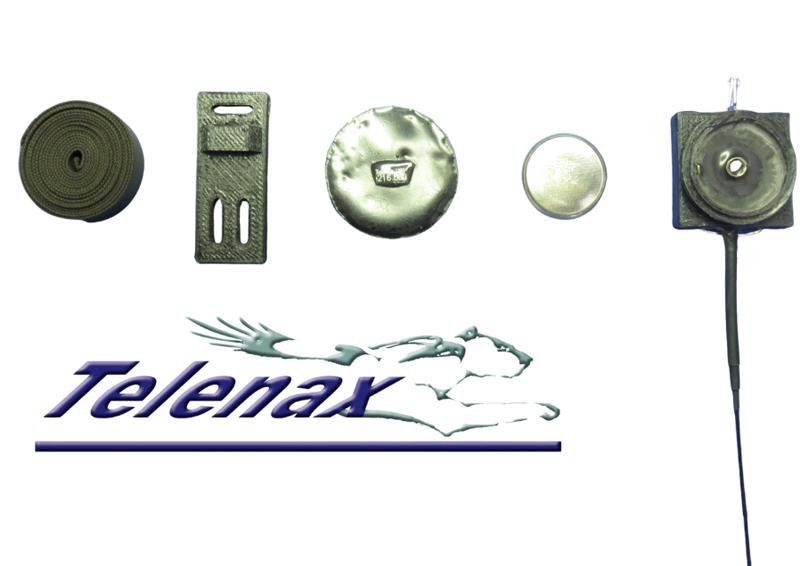
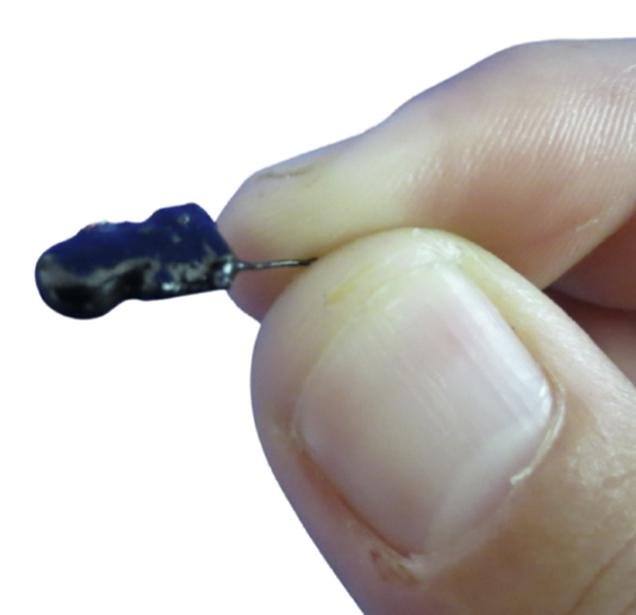
Small backpack VHF radio-tracking unit
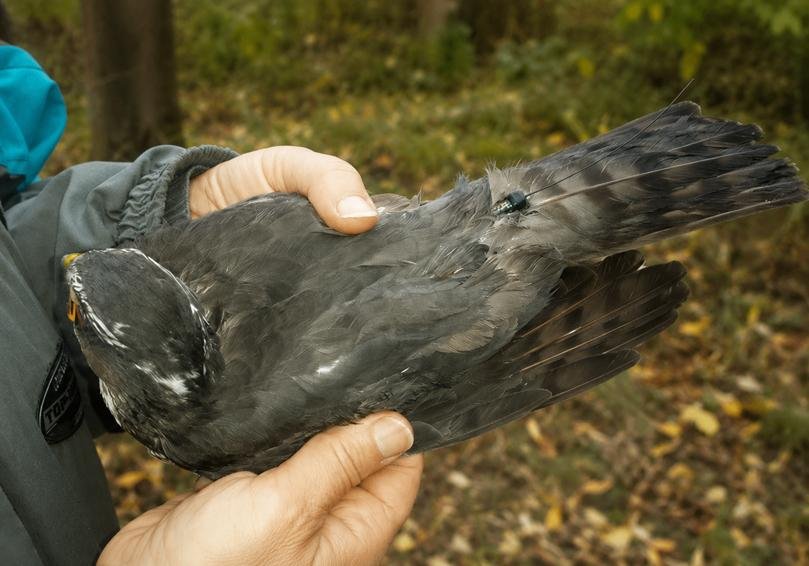
Jay fitted with a Tailmount VHF unit
Typical species:
The adaptable Harris’s hawk, the hardy Red-tailed hawk, the fierce Northern goshawk, the lightning-fast Peregrine falcon, the majestic Gyrfarcon, the desert-hardened Saker falcon, the small but agile American kestrel, or the massive Golden eagle
Attachment:
For falconry, when the primary objective is to relocate the bird quickly and reliably if it flies beyond visual range or does not return as expected, conventional VHF radio tracking is generally the preferred technology.
It is simple, dependable and energy-efficient, provides long operating life, and does not rely on mobile-phone coverage, internet access or a subscription-based communication service. The falconer can actively search for the signal using a directional antenna and receiver, even in remote areas.
Telenax can provide VHF tracking equipment with user-replaceable batteries, allowing the transmitter to remain in service for repeated flights over an extended period. Different attachment configurations can be supplied according to the species and the falconer’s preferred method, including tail-mounted backpack, chest, or other suitable options.
Tracking options:
VHF radio-tracking
TX – VHF Radio Tracking
The most lightweight and highly energy-efficient and proven technology for locating animals directly in the field.
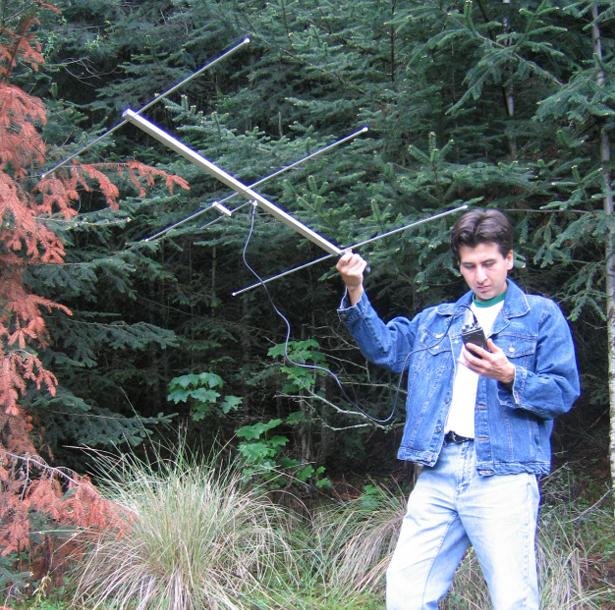
Transmitters (TX) emit pulsed electromagnetic signals at user-defined specific frequencies, alternating with silent intervals. Researchers detect these signals using a handheld receiver and a directional antenna to find the signal’s direction. Drawing lines from two different points toward the signal creates an intersection that pinpoints the transmitter’s location.
Main advantages:
- Activity, inactivity and mortality sensing may be available
- Very low power consumption
- Very small and lightweight
- Long operating life
- No extra service costs
- Direct field location at any time
- VHF localization is often included as a supporting feature in GPS-based tracking systems
Important considerations:
- Researchers must actively search for the signal whenever a location or status check is required
- Practical detection range depends strongly on terrain, vegetation, antenna, animal behavior and transmitter configuration
- VHF provides directional location information rather than automatically recorded GPS positions
- VHF Receiver and VHF Directional antenna are required
Best for:
- Survival, dispersal and presence-monitoring studies
- Cost-sensitive projects
- Species that do not move too far (from hundreds of meters to a few kilometers)
- Small species that cannot carry heavier GPS-based equipment
- When researchers can easily conduct field searches
- When low weight, long operating life is a priority
- Detect presence in the area at any desired moment