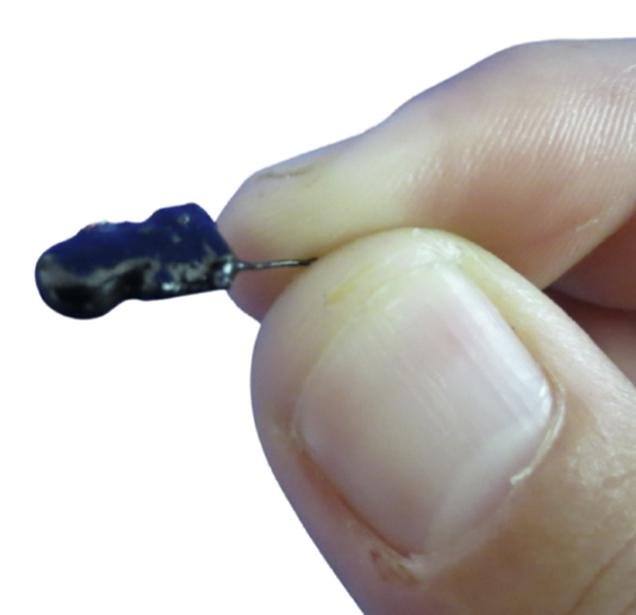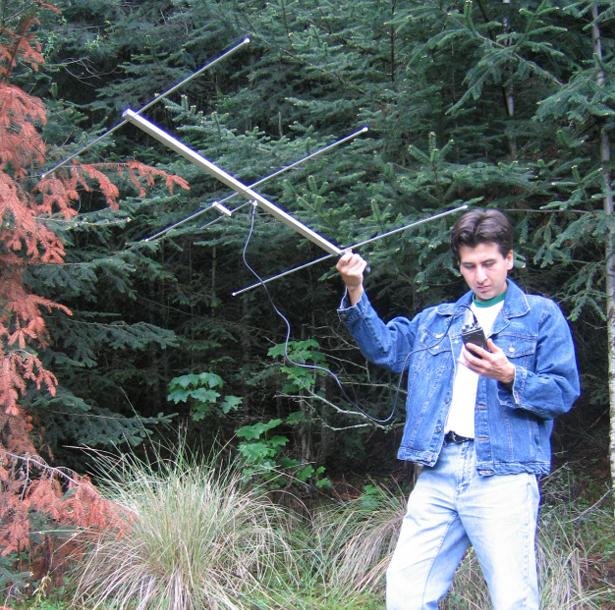
VHF Transmitters for Specialized Live-Capture Tracking
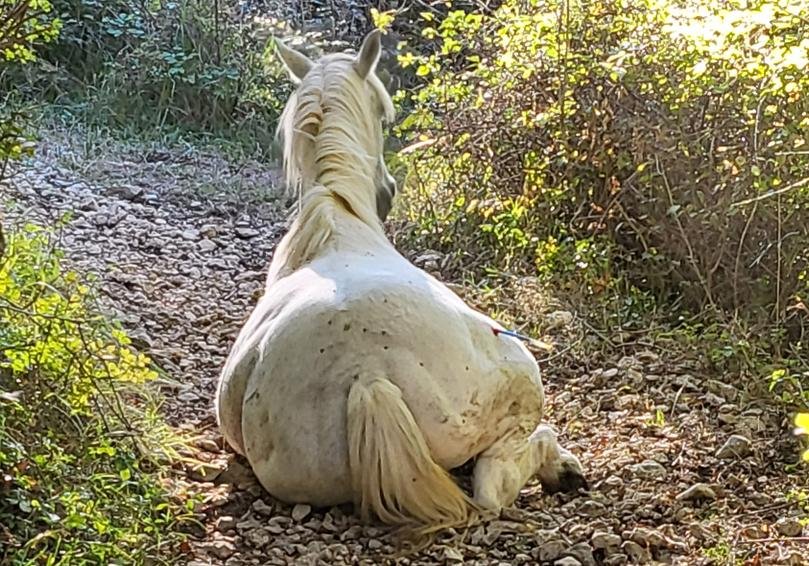
VHF telemetry component used in a professional animal-management application
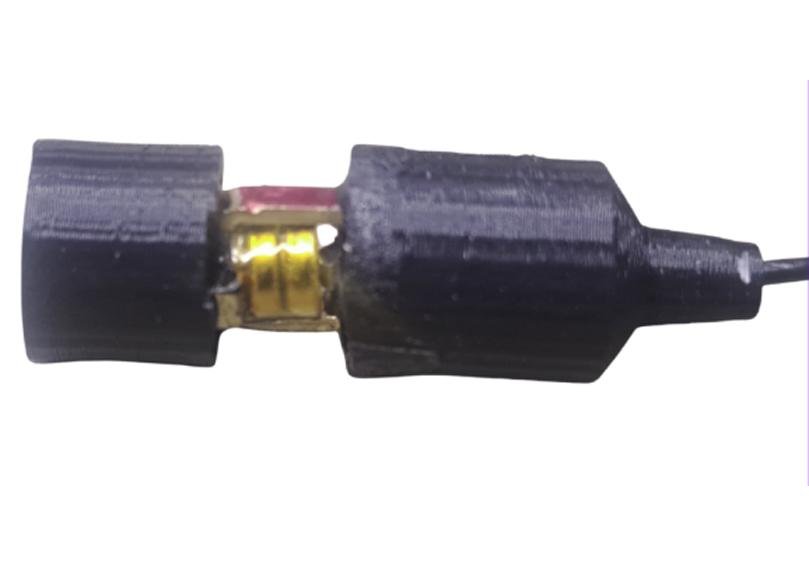
Custom VHF telemetry module — Model A
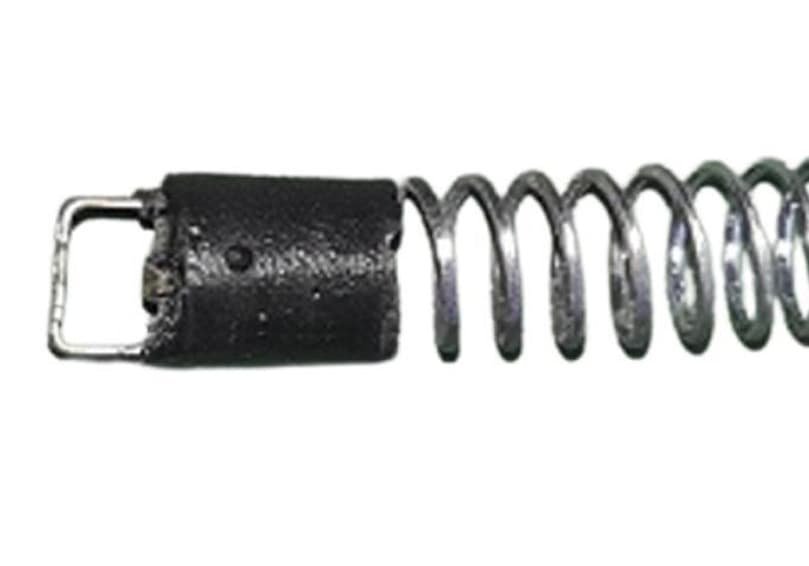
Custom VHF telemetry module — Model B
Application and Configuration:
Telenax manufactures compact VHF transmitters designed for integration with compatible remote wildlife-capture equipment used by qualified research and wildlife-management professionals.
During some authorized wildlife-capture procedures, an animal may continue moving for a period of time before immobilization takes effect. A compact VHF transmitter integrated into compatible equipment allows the field team to follow the signal and relocate the animal promptly. This reduces the risk of losing the animal, shortens the time before professional handling and monitoring can begin, and supports animal welfare throughout the procedure.
Each transmitter is custom configured to fit the specified equipment brand and model. Available features may include a user-replaceable battery and different operating ranges according to the project’s requirements and permitted configuration.
These units are engineered to withstand the mechanical stresses associated with normal professional field use. Service life depends on correct installation, operating conditions and handling.
Please contact us with the equipment brand and model, required operating frequency and project conditions so that we can confirm compatibility and provide the appropriate technical information.
These products are intended exclusively for lawful wildlife research, veterinary and wildlife-management applications conducted by trained personnel under the permits and protocols required in the project location. Telenax supplies only the electronic tracking component.
TX – VHF Radio Tracking
The most lightweight and highly energy-efficient and proven technology for locating animals directly in the field.
Transmitters (TX) emit pulsed electromagnetic signals at user-defined specific frequencies, alternating with silent intervals. Researchers detect these signals using a handheld receiver and a directional antenna to find the signal’s direction. Drawing lines from two different points toward the signal creates an intersection that pinpoints the transmitter’s location.
Main advantages:
- Activity, inactivity and mortality sensing may be available
- Very low power consumption
- Very small and lightweight
- Long operating life
- No extra service costs
- Direct field location at any time
- VHF localization is often included as a supporting feature in GPS-based tracking systems
Important considerations:
- Researchers must actively search for the signal whenever a location or status check is required
- Practical detection range depends strongly on terrain, vegetation, antenna, animal behavior and transmitter configuration
- VHF provides directional location information rather than automatically recorded GPS positions
- VHF Receiver and VHF Directional antenna are required
Best for:
- Survival, dispersal and presence-monitoring studies
- Cost-sensitive projects
- Species that do not move too far (from hundreds of meters to a few kilometers)
- Small species that cannot carry heavier GPS-based equipment
- When researchers can easily conduct field searches
- When low weight, long operating life is a priority
- Detect presence in the area at any desired moment