Terrestrial Mammals from 4 to 1400 grams
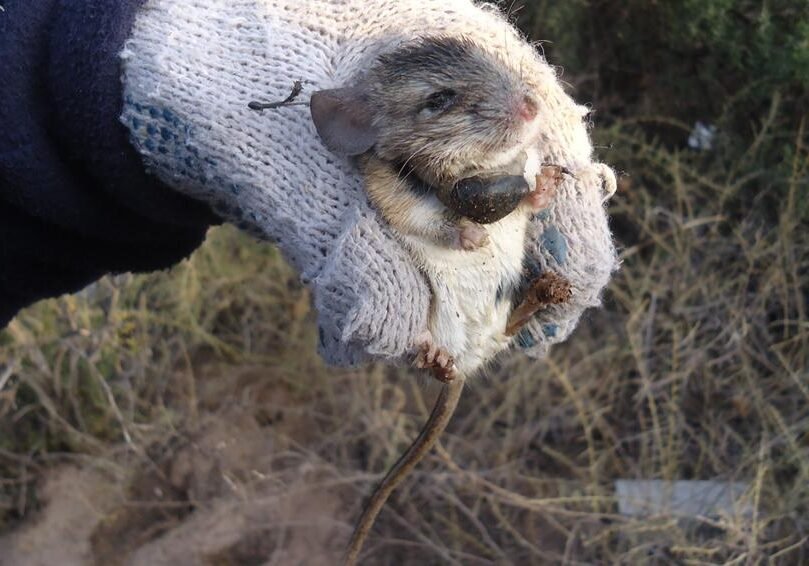
Rodent fitted with a zip-tie collar
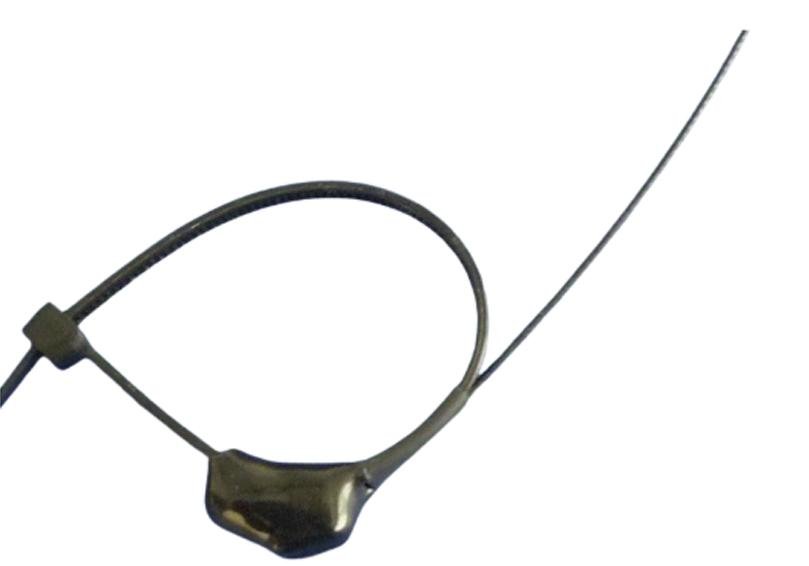
Zip-tie collar
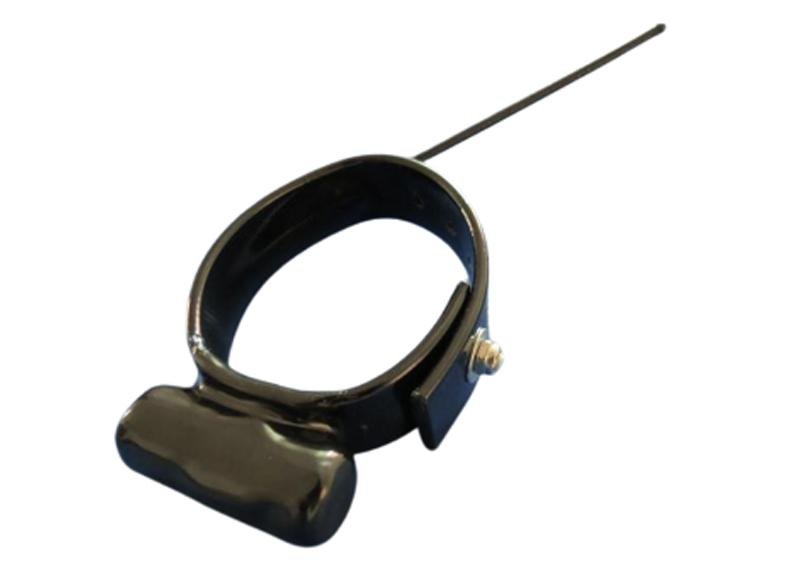
Flexible belting collar
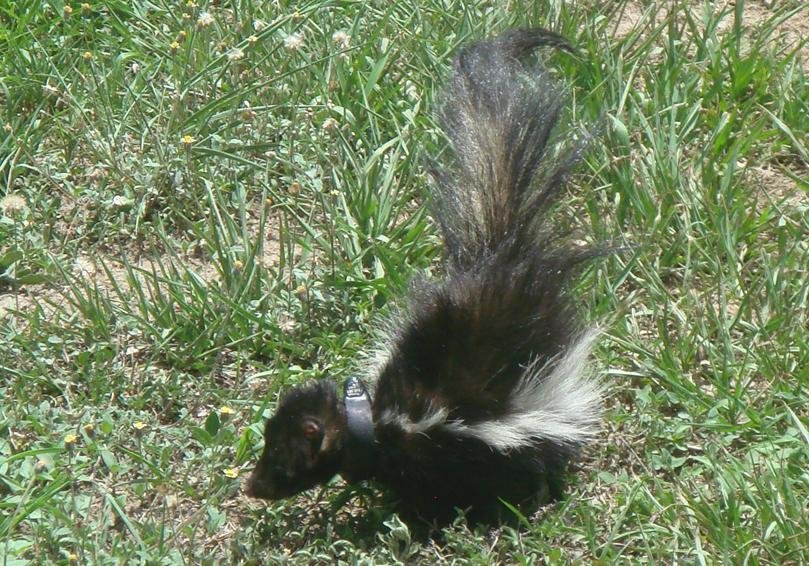
Skunk fitted with a belting collar
Typical species:
Rodents, small marsupials, shrews, voles, dunnarts, hamsters, rats, chipmunks, weasels, squirrels, hedgehogs and other lightweight terrestrial mammals.
Attachment:
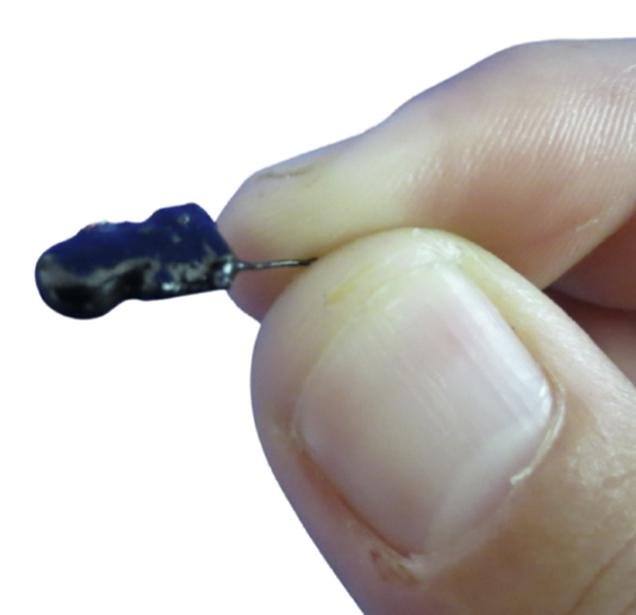
Collars are generally the most widely used attachment method. Depending on the species, Telenax can provide flexible belting, zip-tie, Teflon ribbon or other project-specific configurations.
Glue-on transmitters may be suitable for the smallest animals because they allow extremely lightweight units. They may also be used when transmitter recovery or natural detachment is desired after a relatively short deployment period, typically less than two months.
Tracking options:
VHF radio-tracking
TX – VHF Radio Tracking
The most lightweight and highly energy-efficient and proven technology for locating animals directly in the field.
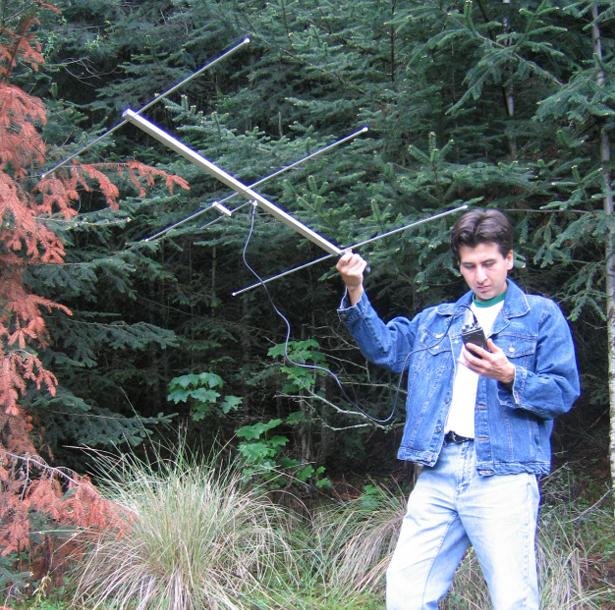
Transmitters (TX) emit pulsed electromagnetic signals at user-defined specific frequencies, alternating with silent intervals. Researchers detect these signals using a handheld receiver and a directional antenna to find the signal’s direction. Drawing lines from two different points toward the signal creates an intersection that pinpoints the transmitter’s location.
Main advantages:
- Activity, inactivity and mortality sensing may be available
- Very low power consumption
- Very small and lightweight
- Long operating life
- No extra service costs
- Direct field location at any time
- VHF localization is often included as a supporting feature in GPS-based tracking systems
Important considerations:
- Researchers must actively search for the signal whenever a location or status check is required
- Practical detection range depends strongly on terrain, vegetation, antenna, animal behavior and transmitter configuration
- VHF provides directional location information rather than automatically recorded GPS positions
- VHF Receiver and VHF Directional antenna are required
Best for:
- Survival, dispersal and presence-monitoring studies
- Cost-sensitive projects
- Species that do not move too far (from hundreds of meters to a few kilometers)
- Small species that cannot carry heavier GPS-based equipment
- When researchers can easily conduct field searches
- When low weight, long operating life is a priority
- Detect presence in the area at any desired moment